
Microtunnelling Expertise
Technical excellence tailored for success
At the heart of microtunneling projects, OPTIMUM provides specialised expertise, thanks to an in-depth understanding of microtunnel construction techniques and the environments in which they are built.
All project constraints are comprehensively assessed : tunnel sizing, urban conditions, proximity to critical structures, available jobsite area, as well as a detailed analysis of the relevant geotechnical risks. This approach enables the microtunneling project to be tailored to the specific nature and behaviour of the ground conditions.
During the construction phase, OPTIMUM engineers provide on-site support – either as technical advisors to the project owner or alongside the tunnelling contractor – supervising all the tunneling operations: validation of works documentation, construction of the launch and reception shafts, installation of the jacking frame, advancement of the microtunneling (MTBM) machine, while monitoring the tunnelling parameters, and the rheological properties of the tunnelling / lubrication fluids.
OPTIMUM is then able to recommend any necessary adjustments in real-time to ensure the microtunnel’s technical compliance, accurate alignment, and optimal construction.
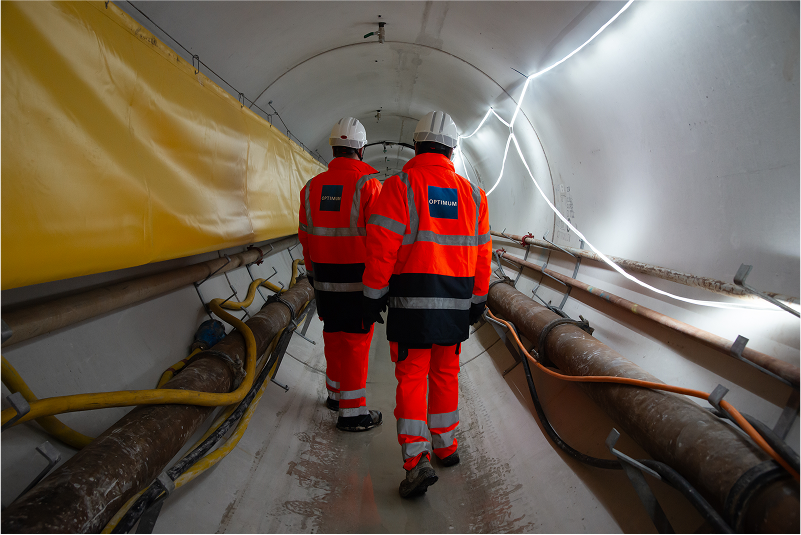
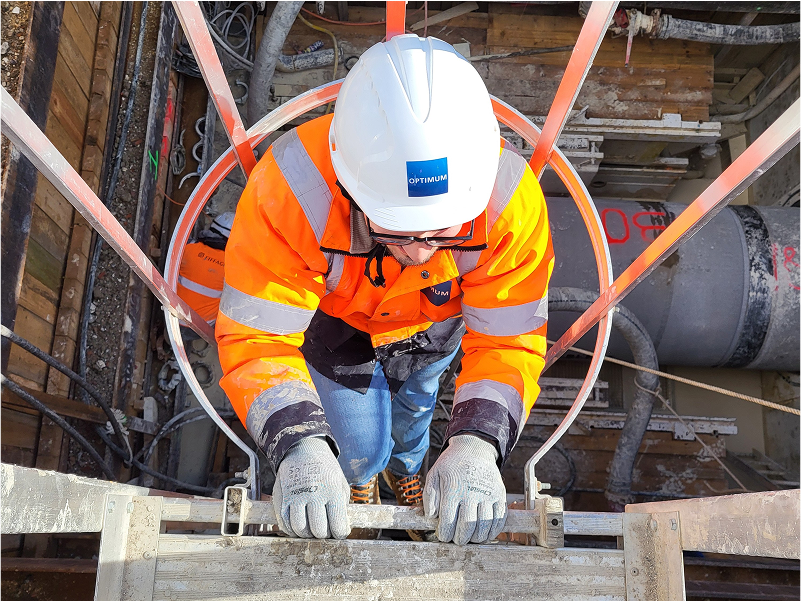
+ 110 microtunnel projects
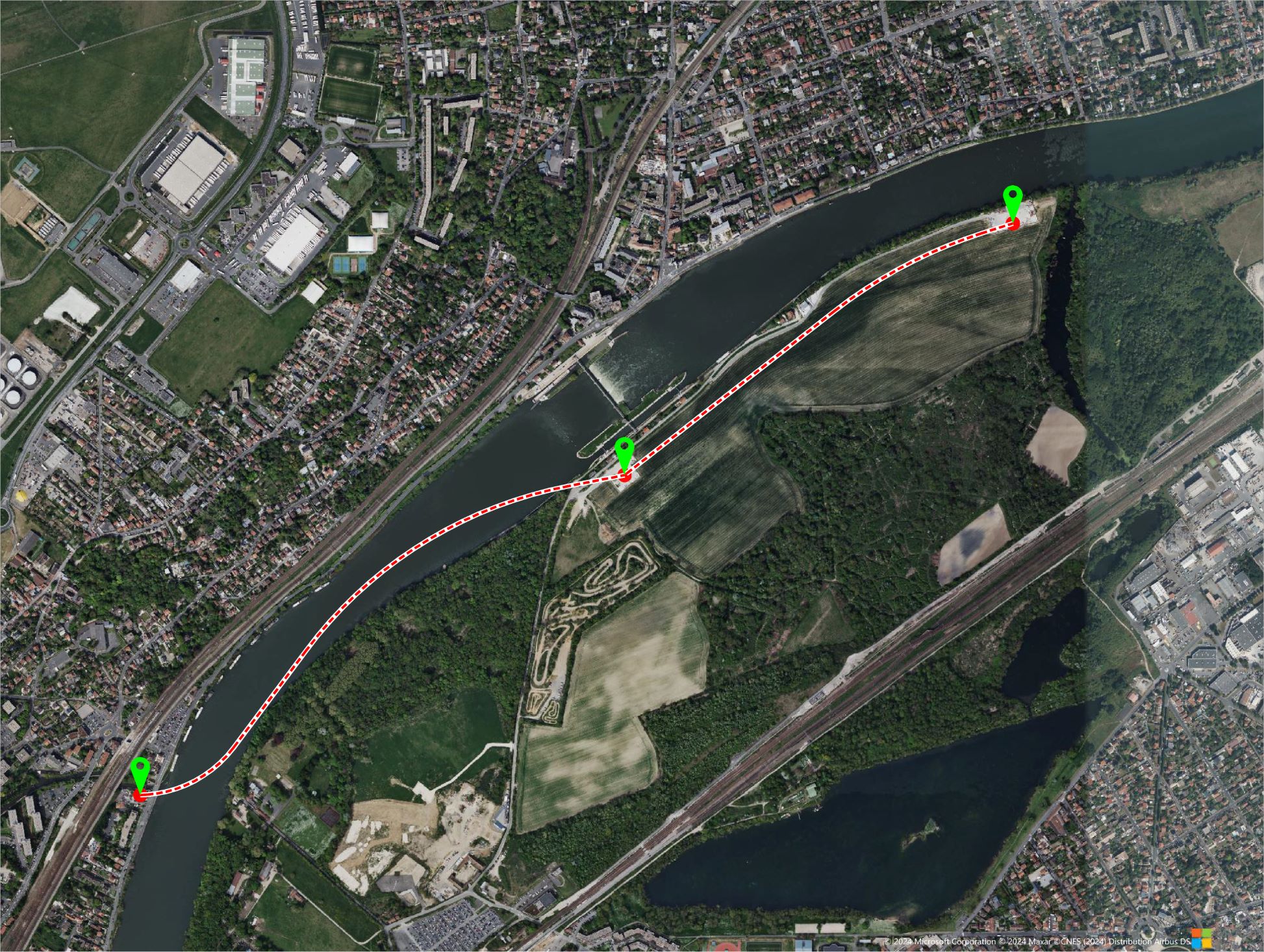
+ 150 microtunnel crossings
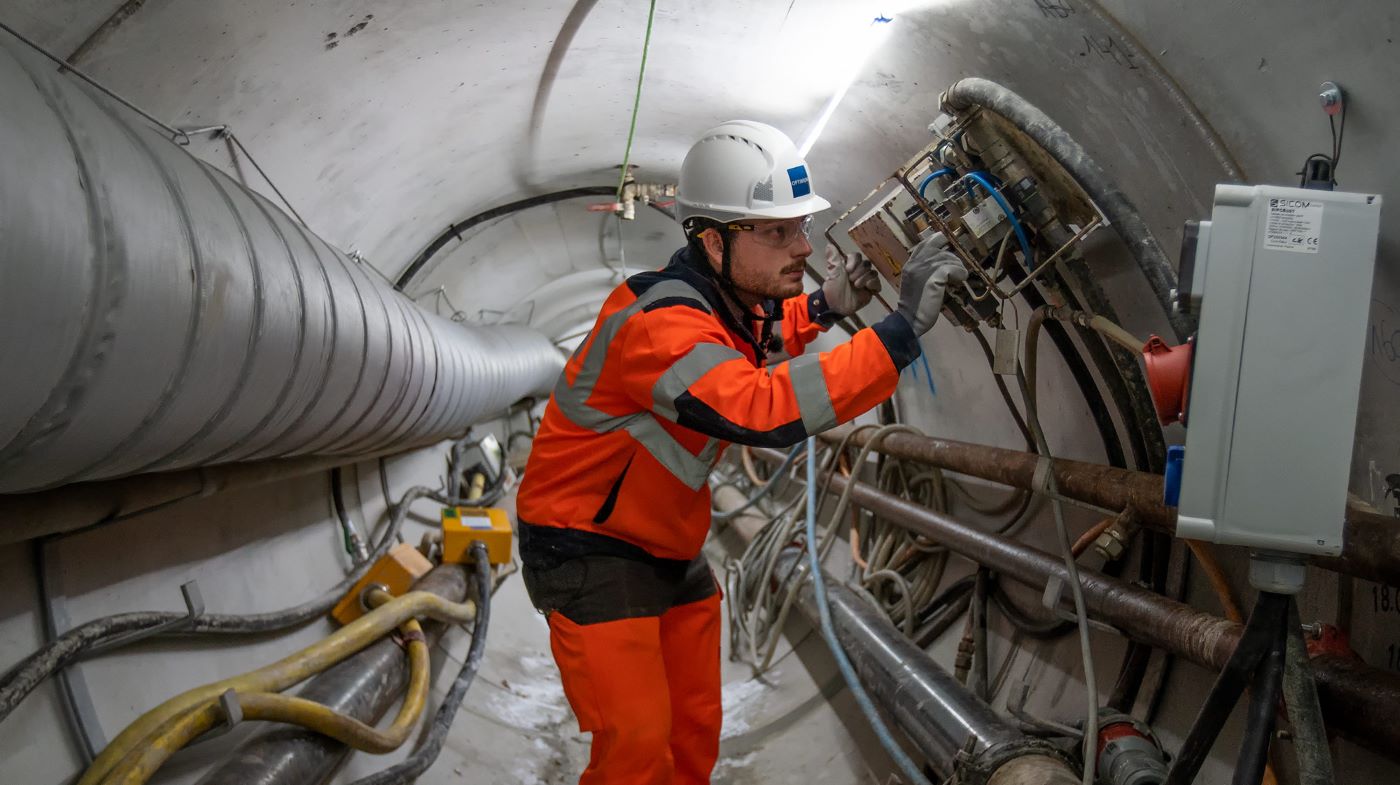
+ 45 000 metres microtunnel
Microtunnelling technique
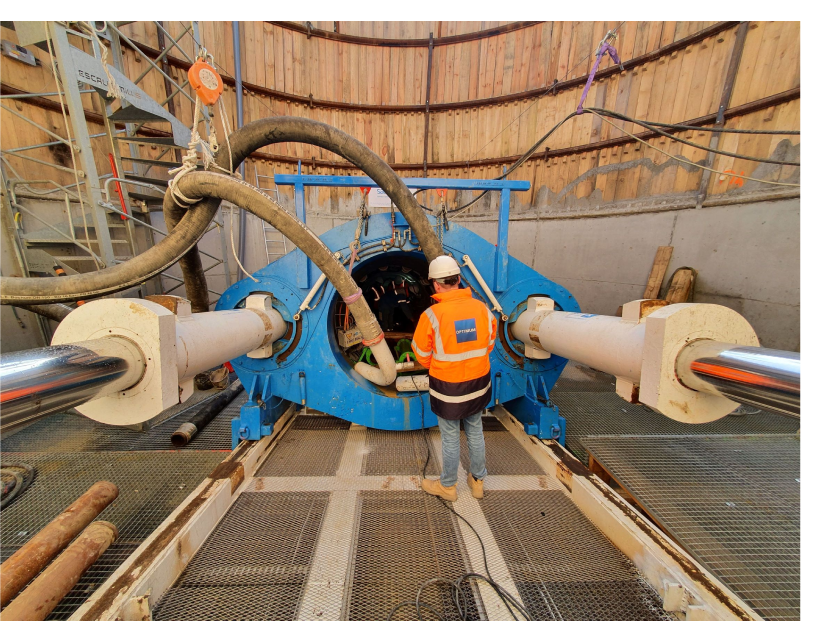
Precise and flexible tunnelling in all ground conditions
The most sophisticated tunnelling technique, microtunnelling, is applicable in a wide range of geological formations and allows for precise control over key mechanical and hydraulic parameters, as well as the drill trajectory. The technique is particularly advantageous as it mechanically supports the tunnel as construction progresses and allows for great flexibility in the geometrical design of the structures.
The microtunnel boring machine (MTBM) used is usually an AVN type: a hydraulic machine that enables both control of the hydraulic pressure at the cutting face as well as the transportation of the excavated material back to the surface.
Excavated ground maintained throughout construction
Microtunnelling involves excavating a tunnel from a launch shaft and advancing concrete, GRP, or steel pipes behind the microtunnelling machine as it progresses. As tunnelling continues, the entire microtunnel system moves forward, powered by a thrust system installed in the launch shaft.
A lubrication fluid, injected at the upper surface of the microtunnel, lubricates the system to reduce friction between the tunnel and the surrounding ground.
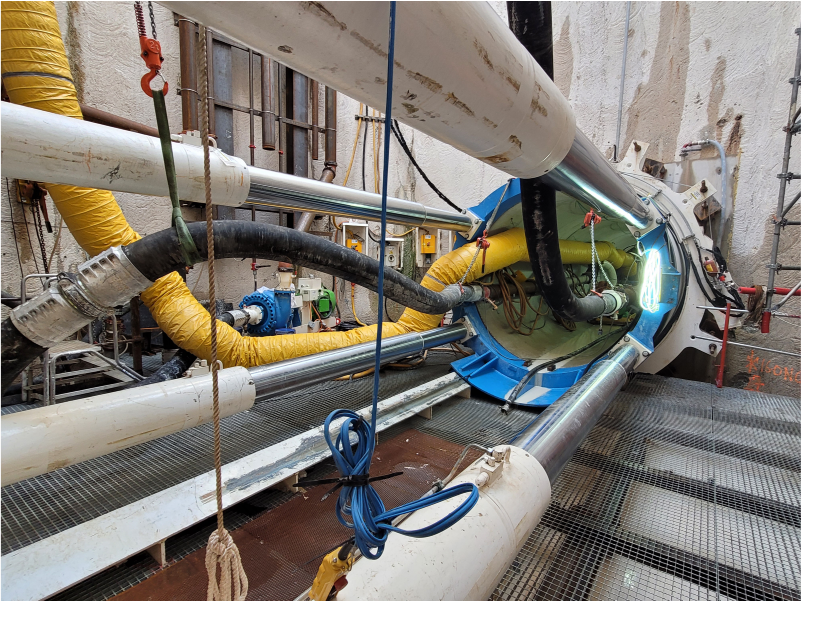
Microtunnelling at a glance:
Advantages
Precision and ability to achieve complex geometries
Excavated ground supported during construction
Waterproof structures, potentially accessible after completion
Suitable for gravity-flow networks
Suitable ground conditions
Almost all geotechnical conditions
Dimensions
Diameters from 500mm to 4000mm
Lengths up to 2000m
Tunnelling
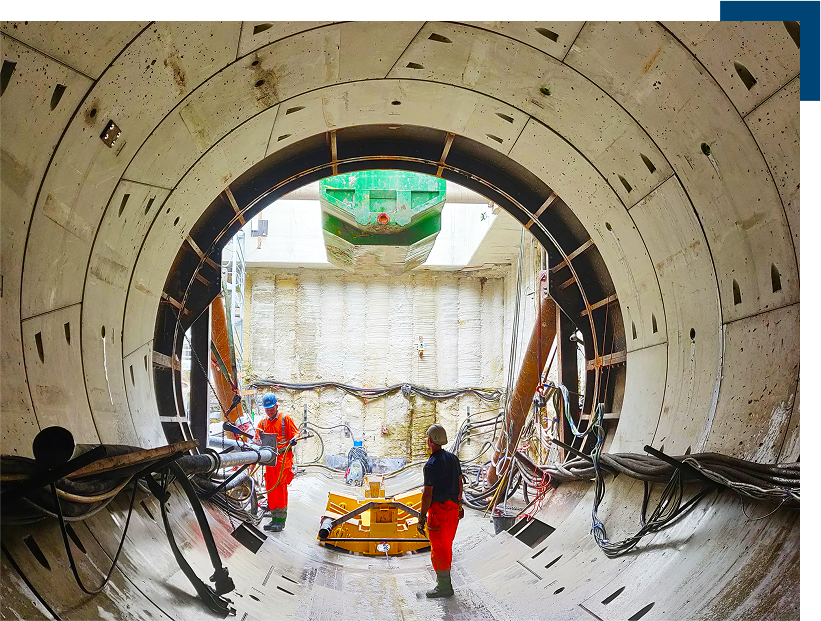
A technique for large diameter and long linear structures
Similar to microtunnelling, from which it is derived, tunnelling allows for the excavation of larger diameter structures. This technique also enables the use of various machine technologies for greater control over the excavation process, further reducing soil-structure interactions.
During excavation, unlike microtunnelling, prefabricated segments are placed inside the tunnel, to form it’s structure. This assembly of individual segments, rather than the installation of complete pipe rings, significantly facilitates the construction of large-diameter tunnels. The completed sections of the tunnel then support the boring machine as it progresses, allowing for the construction of very long structures.