
Auger boring expertise
From the simple to the complex
Our specialist horizontal drilling engineers bring significant added value through their extensive field experience. Their in-depth understanding of geotechnical constraints, drilling techniques, and equipment enables them to develop solutions that are perfectly suited to each project’s specific conditions. Their ability to anticipate challenges ensures rigorous operational management in compliance with the most demanding standards.
This expertise is the cornerstone of our work.
Our know-how is founded on the perfect understanding of different techniques, including auger boring, down-the-hole hammer drilling, and pipe ramming. This technical expertise allows us to undertake projects of all sizes, from the simplest to the most complex, where precision, safety, and network continuity are essential.
Whether during the design or the construction phase, OPTIMUM helps preserve existing infrastructure, promotes sustainable installations, and ensures optimum control of construction operations.
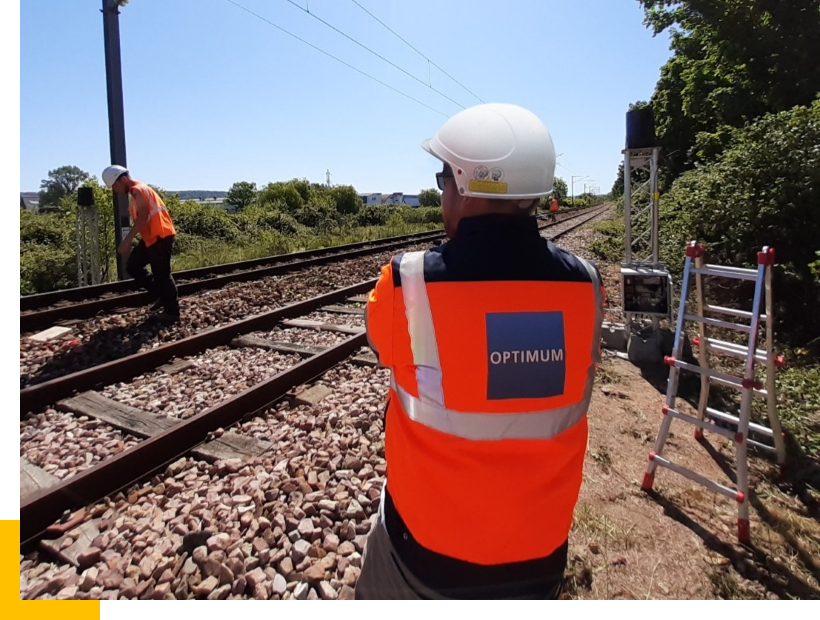
Auger boring / Horizontal drilling
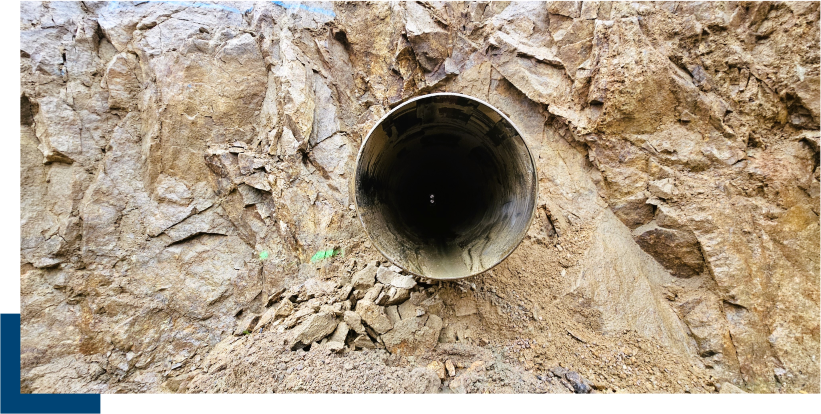
Efficient techniques for reduced length crossings
While basic, boring techniques are very efficient in specific terrains and contexts. They ensure the hole is maintained open as construction progresses and pass under obstacles by creating a straight path between two excavated pits / shafts. These techniques can be equipped with simple guidance systems and are ideal for rectilinear structures, typically up to 120 meters in length.
Three principal techniques exist
Auger boring
Down-the-hole hammer drilling
Pipe ramming
Auger boring
Auger boring is a technique used in soft ground, where a steel pipe is pushed into the earth from a launch pit. As the tube advances, a helical auger excavates the soil in place.
The process relies on a drill bit at the front of the pipe, which rotates to excavate the ground as the tube progresses forward.
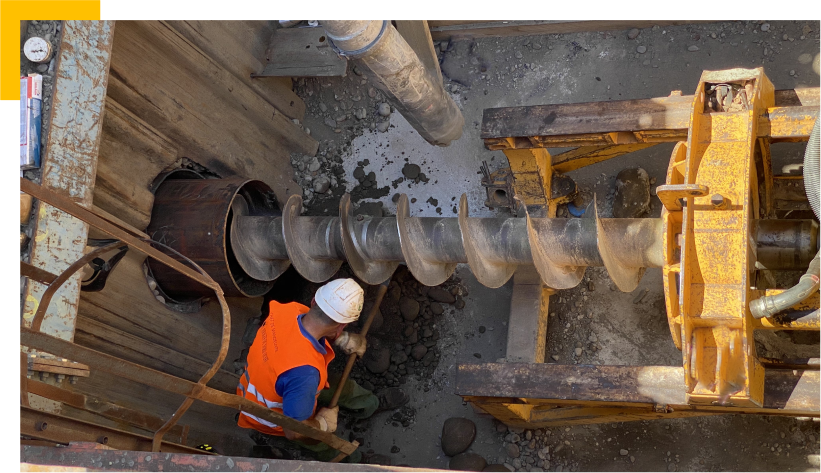
Auger boring: At a glance
Advantages
Smaller length crossings
Drilled hole maintained
Suitable ground conditions
Soft ground
Soft rock
Coarse ground (with adapted tooling)
Dimensions
Diameters from 300mm to 1400mm
Lengths of less than 140m
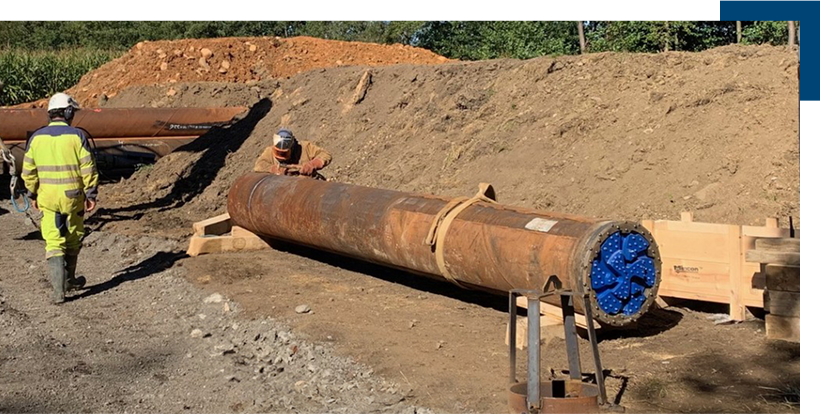
Down-the-hole hammer drilling
For rock formations or those with significant blocometry, the traditional drill bit is replaced by a pneumatic hammer.
The hammer breaks up the ground in front of it, with the crushed material being evacuated to the launch pit via an auger. Progresses continues, pipe after pipe, until the reception pit is reached.
Down-the-hole hammer drilling: At a glance
Advantages
Smaller length crossings
Crossing rocky terrain or terrain containing blocks
Drilled hole maintained
Suitable ground conditions
Pebbles and blocky gravel
Rocks
Dimensions
Diameters from 350mm to 1200mm
Lengths of less than 120m
Pipe ramming
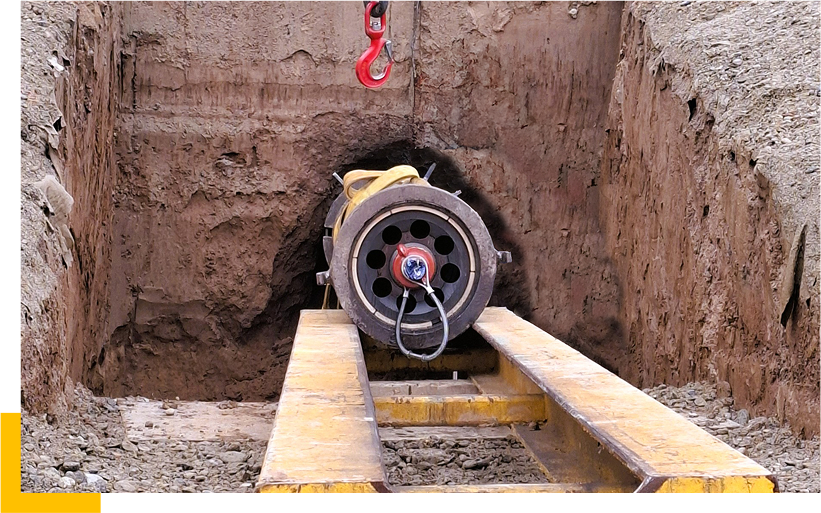
Pipe ramming involves driving an open pipe into the ground from a launch pit using impact force. Although this method is more basic and unguided, it remains effective for low linear projects and areas near the water table.
As the ramming process continues, the pipe collects the displaced ground until it reaches the reception pit. Once in place, the pipe is emptied using hydraulic or mechanical methods, leaving a steel pipe in position, ready for installation of the network or pipeline.
Pipe ramming: At a glance
Advantages
Lower costs
Drilled hole maintained
Suitable ground conditions
Soft and fine soils
Soft and gravelly soils
Dimensions
Diameters from 300mm to 1400mm
Lengths of less than 80m